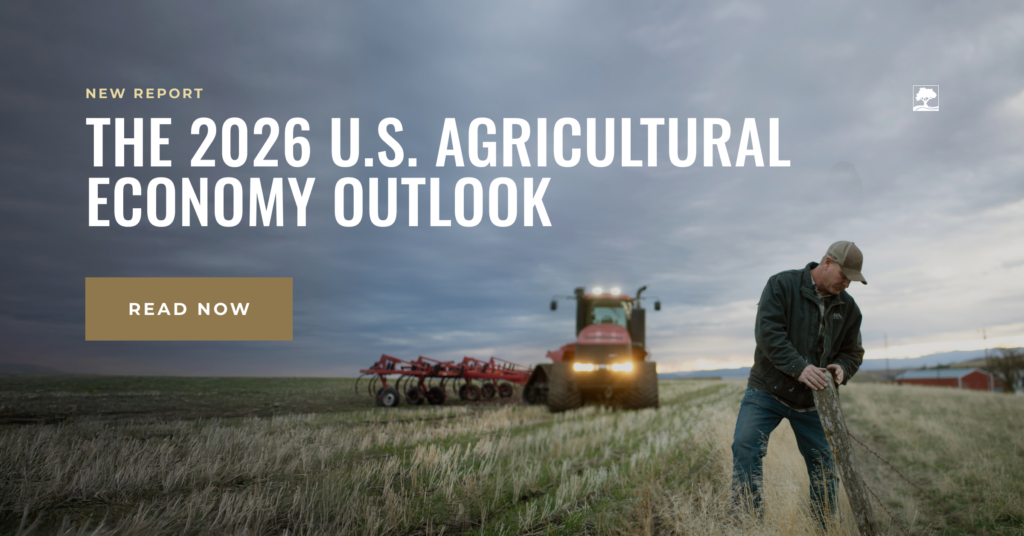






2025 Year in Review: Seven Forces That Will Shape U.S. Agriculture in 2026
A lot happened for U.S. agriculture in 2025—and 2026 is shaping up to be no different.
The U.S. agricultural sector entered 2025 with no shortage of questions. Would interest rates finally ease? Would trade tensions escalate or improve? Would policymakers deliver clarity on farm policy and programs after years of stopgap solutions?
Twelve months later, many of those questions remain—just in different forms. From a new screwworm outbreak south of the border to a DOGE-fueled funding freeze that disrupted farm program contracts, it’s next to impossible to capture all the events that shaped agriculture in 2025 in one short blog article.
For this 2025 year in review, we’ve homed in on seven key events that will carry real implications for farmers, ranchers, and landowners into 2026.
2025 Year in Review: Seven Defining Moments for U.S. Agriculture
The common thread for U.S. agriculture in 2025 was limited visibility and accelerated change. Delayed data, volatile trade policy, and an increasingly ad hoc approach to farm support left producers running operations with fewer benchmarks and more uncertainty than usual.
1. A Tale of Two Farm Incomes
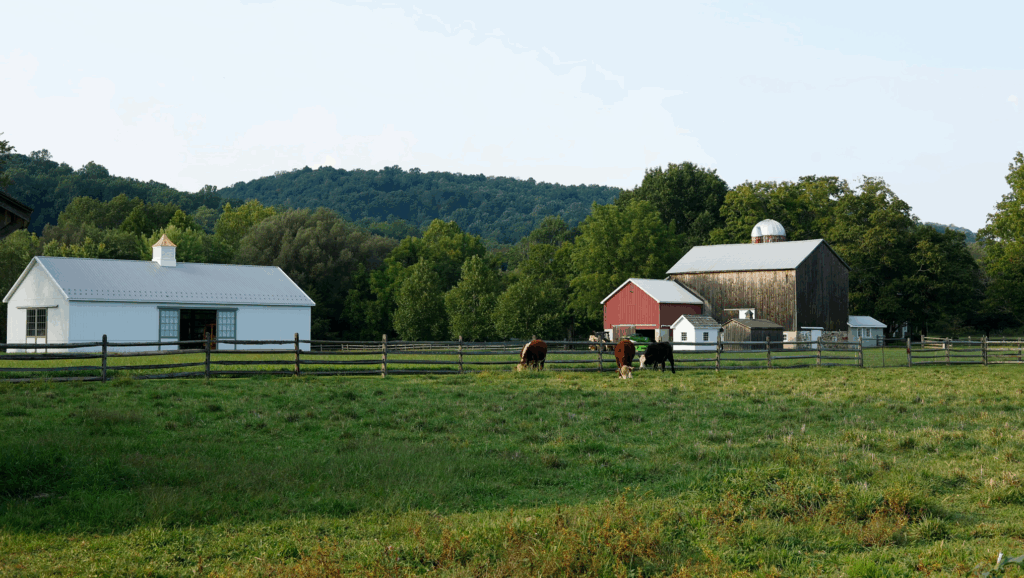
Farm income in 2025 told two very different stories. Across crop agriculture, margins remained persistently compressed. Weakened export demand, volatile prices, and high input costs continued to squeeze operating budgets, particularly for row crop producers. Specialty crop growers faced additional pressure from labor shortages and rising wage costs.
Livestock producers, by contrast, experienced stronger market conditions. Cattle prices climbed on tight supplies, supporting profitability in much of the U.S. livestock sector even as crop margins struggled. This strength in the livestock sector helped underpin continued growth in pastureland values, with U.S. pastureland averaging about $1,920 per acre in 2025—up nearly five percent from the prior year, outpacing the overall pace of cropland in some regions.
Higher borrowing costs influenced decisions across both sectors. While the Federal Reserve cut the federal funds rate by roughly 75 basis points in 2025, long-term interest rates remained elevated, with 10-year Treasury yields hovering above four percent. Inflation cooled from recent peaks but did not return to pre-pandemic norms, keeping pressure on operating costs and debt service.
2. Trade Tiffs and Tariff Trouble
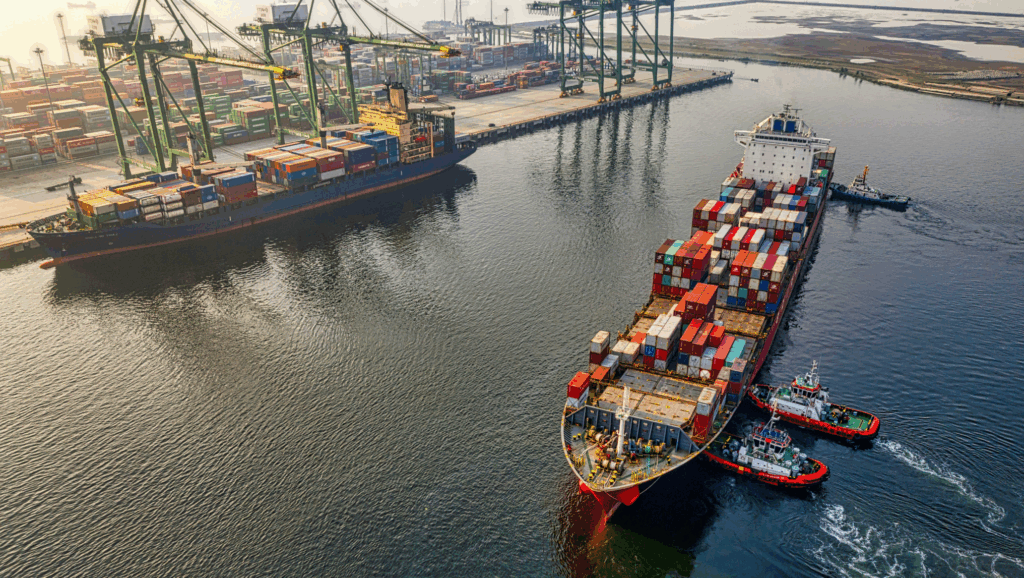
Trade policy was one of the most destabilizing forces for U.S. agriculture in 2025. A more aggressive, trade-focused administration reshaped global relationships, with renewed tariff threats and heightened port tensions—particularly involving China.
For grain and oilseed markets dependent on export demand, these disruptions translated into softer prices and increased volatility. Producers were often forced to market crops amid uncertainty over access, timing, and competitiveness in global markets.
Trade remains one of the largest wildcards for 2026 planning. Even modest shifts in tariffs or export flows could have outsized impacts on farm income, especially for row crop producers already operating on thin margins.
3. MAHA Movement Momentum
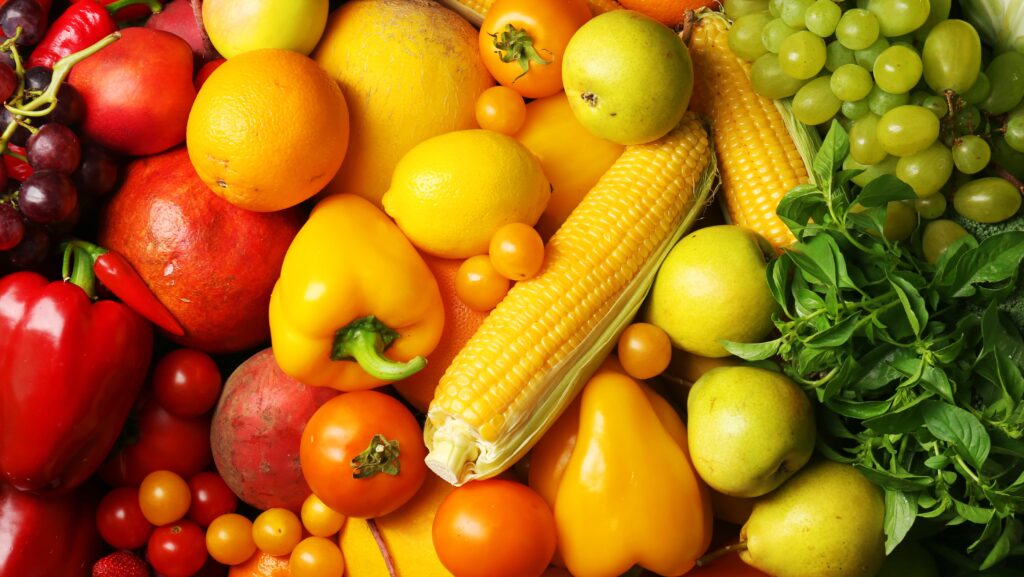
The Make America Healthy Again (MAHA) movement gained momentum in 2025, signaling broader regulatory and policy conversations around food systems, inputs, and production practices. While many details remain undefined, the movement underscores shifting consumer demand and an emphasis on agriculture’s role in public health and environmental outcomes.
For producers in 2026, the MAHA movement could influence future regulations, consumer expectations, and compliance costs. It also provides a window into consumer behavior and preferences to guide marketing and product development decisions.
4. Farm Labor Frustrations
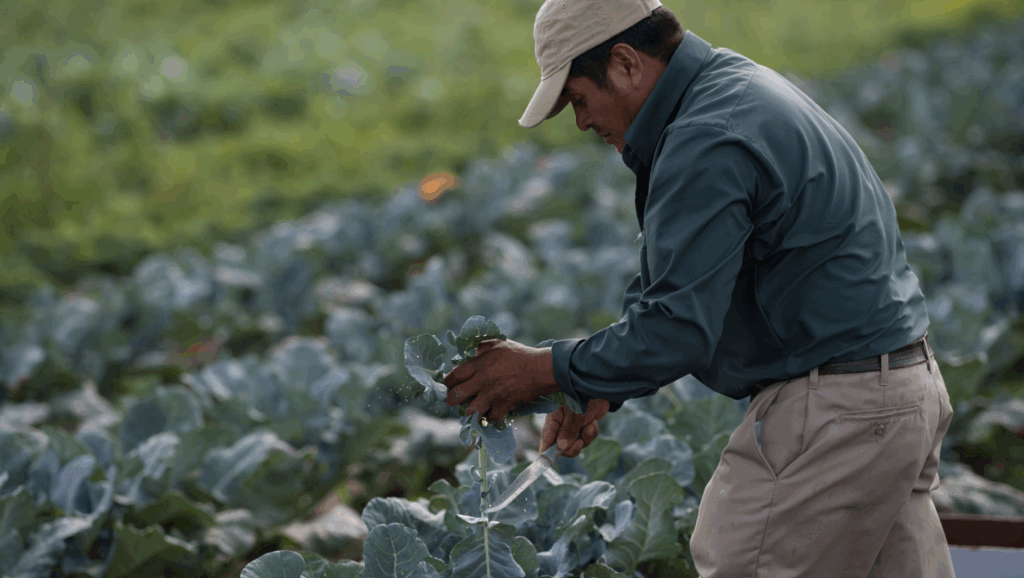
While always a challenge, access to farm labor constricted in 2025 as immigration enforcement kicked into overdrive and H-2A backlogs remained. Persistent farm workforce shortages drove wages higher and increased compliance costs, adding another layer of pressure to already-tight margins.
Uncertainty surrounding immigration policy and the future of the H-2A program is complicating long-term planning and day-to-day operations for farmers as they head into 2026. It’s leading many producers to restructure, reduce acreage, increase price, and consider mechanization investments to lower labor needs. Specialty crop growers feel this pressure the most, as they rely heavily on a seasonal workforce.
Read More: The Farm Labor Series
5. One Big Beautiful Bill or Bust?
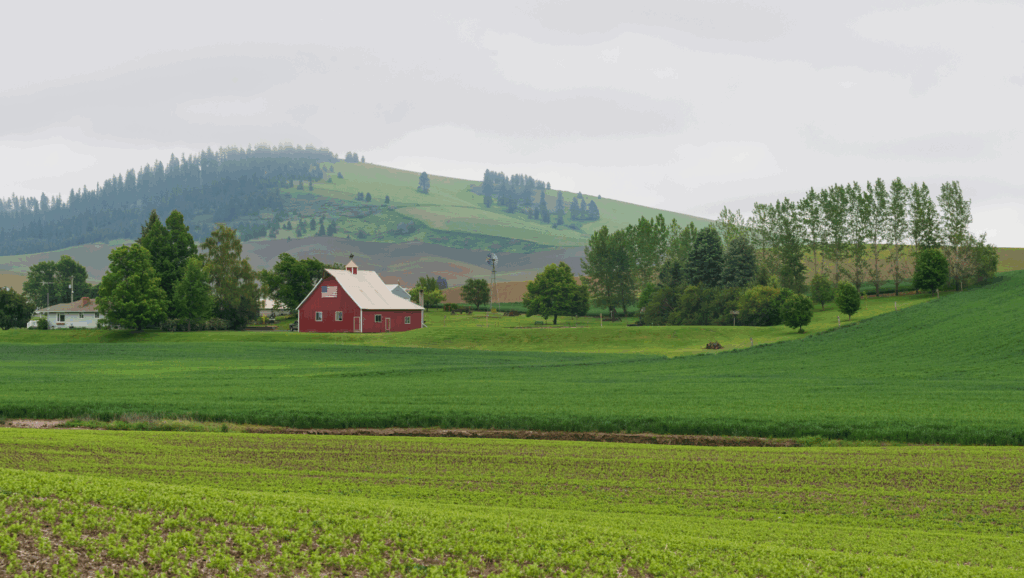
Farmers entered 2025 with unanswered questions regarding the future of farm policy, ranging from ongoing farm bill extensions to uncertain tax provisions. Some answers emerged with the One Big Beautiful Bill Act (OBBBA), but progress remains unsteady. Farm Bill negotiations were pushed to the back burner once again, extending a pattern of short-term fixes rather than durable policy solutions.
Read More: The One Big Beautiful Bill Series
6. A Government Shutdown Showdown
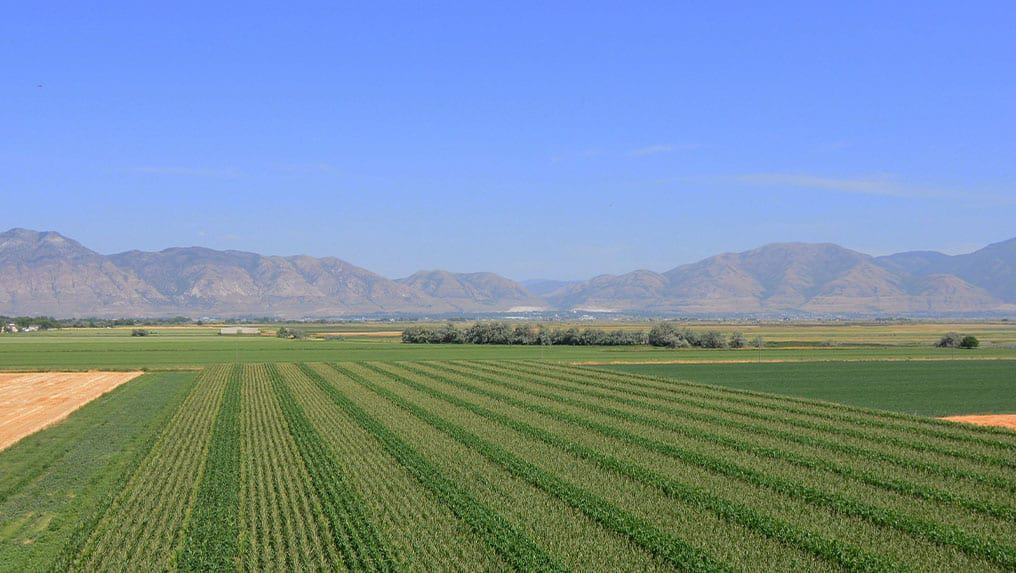
The 2025 federal government shutdown was the longest on record, lasting 43 days. Its timing delayed critical USDA reports, including WASDE updates and farm income forecasts, creating blind spots for stakeholders who rely on these key benchmarks.
Compounding the issue, USDA staffing levels were reduced by roughly 15 percent, raising questions about data reliability and program administration in the years ahead. Without timely reports, producers and lenders must make marketing, lending, and land valuation decisions with incomplete information—an unusual and uncomfortable position for an industry built on data-driven planning.
7. The Farmer Aid Boom
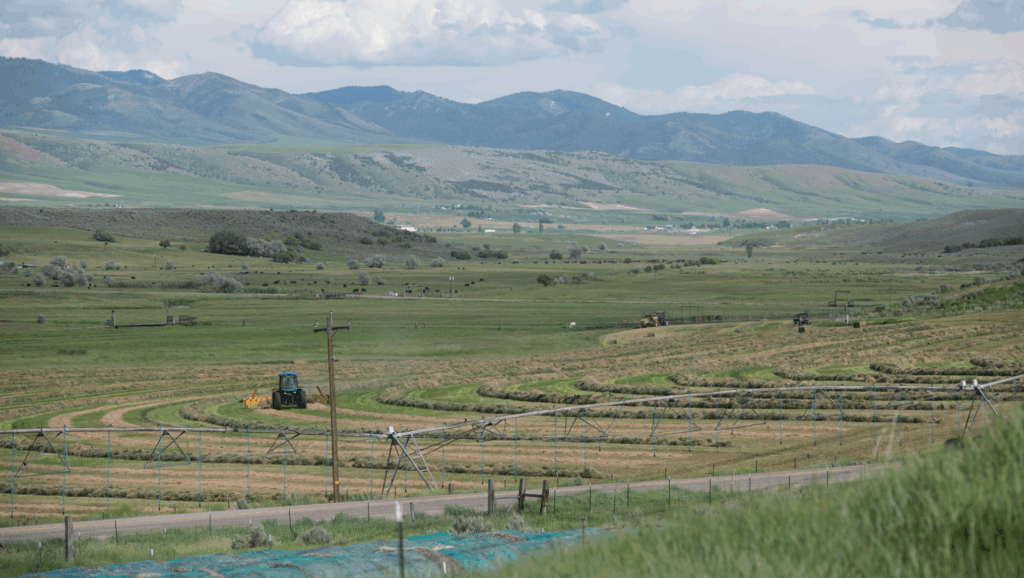
Picking up where 2020 left off, the ad hoc era of farm policy continued in 2025. Since 2018, roughly 72 percent of all direct farm payments have been delivered outside of traditional Farm Bill programs, and 2025 reinforced that trend.
Direct payments reached their second-highest inflation-adjusted level on record, trailing only the pandemic-driven peak of 2020. The year began with the $10 billion Emergency Commodity Assistance Program and ended with the announcement of the $12 billion Farmer Aid Package, set to impact farm balance sheets in early 2026.
Between those bookends were multiple relief efforts, including the Supplemental Disaster Relief Program, the Emergency Livestock Relief Program, and the Milk Loss Program. While these payments provided critical short-term relief, they also underscored the increasing reliance on temporary support to stabilize farm income amid current market conditions.
Key Takeaways from the 2025 Agriculture Year in Review
By the end of 2025, several less-than-ideal themes were clear.
- Uncertainty is increasingly structural rather than temporary in the U.S. ag sector.
- Government support will play a larger role in income stability for the time being.
- Delayed data and policy ambiguity have increased financial risk for both producers and lenders.
At the same time, farmland values continue to demonstrate remarkable resilience through these shifts, supported by strong demand for high-quality acres, even as lenders apply greater scrutiny amid higher financing costs. Proactive planning, creative adaptation, and access to reliable partners will enable producers to achieve strength through strategy in 2026 and beyond.
Helping Producers Navigate What’s Next for U.S. Agriculture
Planning for 2026 will require discipline, flexibility, and a clear understanding of cash flow realities. The lessons of 2025 underscore the importance of aligning debt structures with revenue cycles and maintaining liquidity in a U.S. farm economy that’s heavily influenced by policy shifts and market trends.
AgAmerica partners with farmers, ranchers, and landowners through land-backed financing, refinancing solutions, and customized capital structures designed to support a long-term financial strategy for your farm—not just short-term relief.
Part of that strategy involves not only providing financing but also offering market insights that help you plan with greater clarity. AgAmerica’s annual economic report offers forward-looking insights on farm income, credit conditions, risk management strategies, and more.