





How Tariffs Could Impact Agriculture in 2026
Producers are entering 2026 with more questions than answers regarding tariffs and agricultural trade.
The USDA’s final 2025 Agricultural Trade Outlook, typically released in late November, is delayed due to the recent federal government shutdown. The pause has slowed reporting and disrupted key data collection processes for various USDA ERS reports, leaving analysts without the final benchmark that typically anchors year-end marketing and trade expectations.
As the USDA’s final quarterly update, this trade outlook report provides critical information for forward contracting, basis expectations, and cash flow forecasting. Once released, it will also provide the first glimpse into the U.S. agricultural trade outlook for 2026 at a time when many in the industry are seeking answers to how tariffs are impacting agricultural markets.
In its absence, producers, lenders, merchandisers, and analysts must begin the 2026 crop-marketing year relying on partial-year indicators, policy developments, and the broader market signals.
What We Do Know: Market Signals Through Late 2025
Even without new USDA projections, several trade conditions have been consistent throughout 2025.
Agricultural Trade Trends and Demand Heading into 2026
- Corn: Strong buying from Mexico continues to anchor U.S. feed grain demand, with improving interest from other North American and Asian partners.
- Soybeans: Exports remain muted but are hopefully shifting in a more favorable direction. China continues to redirect purchases to South America, with limited late-year sales reported in the U.S.
- Wheat and Sorghum: Demand remains steady, but faces increased global competition.
- Animal Products: Tighter U.S. supply amid resilient demand has kept beef exports strong in 2025. Pork and poultry exports have also been supported by steady demand in key markets and improved feed-cost dynamics.
Tariff-Driven Volatility and Upcoming Trade Negotiations
The aggressive trade and tariff policy in the U.S. this year has created uncertainty in short-term purchasing behavior. Still, it could also expand market access for U.S. agriculture with each new trade agreement reached.
Mexico and Southeast Asia remain bright spots, helping offset weaker Chinese commitments in soy and other key commodities. The upcoming USMCA review, along with active bilateral negotiations with Korea, Switzerland, Colombia, and India, could meaningfully shape U.S. agricultural demand in 2026.
A Strained Exporter Operating Environment
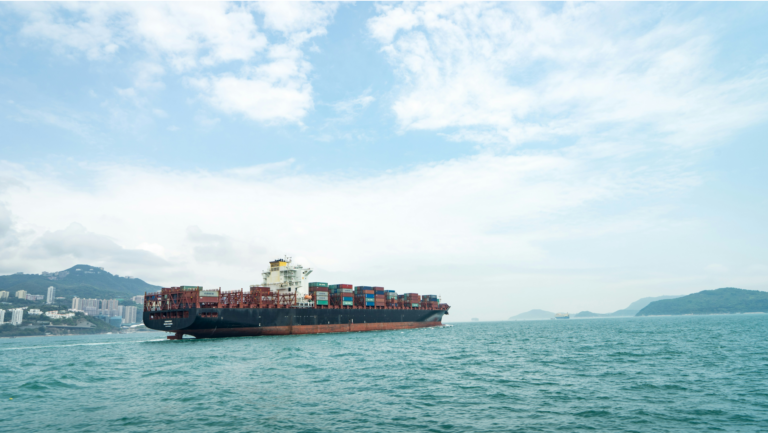
Exporters are entering 2026 with significant logistical headwinds. Port congestion, ongoing shipping tensions with China, and shifting global supply chains continue to disrupt expected trade flows.
Inland transportation has become an equally pressing concern. Persistently low water levels on the Mississippi River have restricted barge capacity, slowed tow movement, and pushed barge freight rates well above typical seasonal averages. These constraints raise the delivered cost of U.S. corn, soybeans, and wheat bound for the Gulf, making it harder for American exporters to remain competitive against lower-cost South American suppliers.
Key Watchpoints for Agricultural Trade and Tariffs in 2026
With these market dynamics in place, a few key areas warrant close attention as you monitor the trade environment and prepare for 2026.
1. China’s commitments and follow-through
Whether China fulfills the purchase pledges made in November will determine whether U.S. soy, sorghum, and cotton see meaningful late-season demand recovery. Early signals remain inconsistent.
2. Mexico and Southeast Asia as stabilizing forces
Mexico’s corn demand remains one of the most stable pillars of U.S. agricultural trade. Recent trade agreements in parts of Southeast Asia show renewed interest in U.S. soy, wheat, and specialty crops as supply chains diversify.
3. India’s anticipated deal with the U.S.
With most terms resolved, India hopes to finalize a trade deal with the U.S. before the end of the year—potentially opening new pathways for U.S. specialty crops and inputs.
4. USMCA’s 2026 Joint Review
Next July, the U.S., Mexico, and Canada—two of U.S. agriculture’s top international markets—will determine the future of an agreement set to expire in 2036. The outcome will influence long-term efficiency, tariffs, and competitiveness for U.S. agriculture.
5. Ongoing Tariff Tiffs
Tariffs and retaliatory tariffs have already reshaped the cost structure of agriculture and will continue to do so in 2026 in several ways, including but not limited to:
- Fertilizer imports: Down 33 percent from exempt countries and 47 percent from tariff-affected countries
- Machinery imports: Down 10–24 percent, depending on tariff class
- Seed and pesticide imports: Remaining relatively stable for now
For producers, these cost pressures come on top of already tight margins. Unlike many industries, family farmers and ranchers cannot simply pass along higher input costs. This means that the trajectory of agriculture-related tariffs could have a direct impact on acreage decisions, planting intentions, and 2026 break-even calculations.
6. The South American Competition Factor
South America remains a defining competitor for U.S. exports in 2026. Brazil continues breaking records in soybean production and export share, while Argentina is rebounding from drought, improving its competitiveness in wheat and corn. Recent U.S. discussions about increasing Argentine beef imports have also frustrated domestic ranchers, underscoring how South America’s growing presence is shaping both crop and livestock markets. As global buyers diversify sourcing, these dynamics push U.S. exporters to compete on quality, logistics, and reliability rather than price alone.
AgAmerica’s 2026 Agricultural Trade Outlook
Based on the trends and data points we do know, here are AgAmerica’s predictions for the 2026 agricultural trade outlook.
- Corn: Demand is expected to remain comparatively strong, driven by Mexico and a broader international buyer base.
- Soybeans: Margins remain tight and are largely reliant on Chinese commitments materializing under the new agreement.
- Wheat and Sorghum: Stable but closely tied to global competition and logistics efficiencies.
- Cotton: Global fiber demand is expected to improve modestly, but U.S. exports will continue facing pressure from lower-cost competitors and fluctuating synthetic fiber prices. Weather-driven yield volatility across the South will remain a key factor in 2026 supply.
- Specialty Crops: Demand for U.S. nuts, fruits, and vegetables is expected to strengthen slightly as shipping bottlenecks ease, although competition from Mexico and South America will continue to influence pricing and export share.
- Cattle: Tight U.S. cattle supplies will keep prices historically strong, but increased South American production and recent U.S. interest in Argentine beef imports may create headwinds for export competitiveness.
- Hogs: Pork exports are projected to stay steady, supported by solid demand from Mexico, Japan, and South Korea. Margins may fluctuate as feed costs and disease-related risks remain elevated.
- Poultry: Export volumes are expected to remain dependable, with competitive pricing, although the sector will continue to monitor avian influenza risks and shifting global biosecurity standards.
- Dairy: Modest growth is expected as Southeast Asia and Mexico sustain demand for U.S. skim milk powder, cheese, and whey. Strong global competition (particularly from the EU and New Zealand) may limit upside potential.
Navigate Trade-Driven Uncertainty in 2026 with Confidence
Tariffs and agriculture policy shifts will remain central forces in 2026. AgAmerica supports producers through volatility with custom land financing and working capital solutions. Whether your goal is to preserve liquidity, reduce interest burden, or position yourself ahead of a high-cost input season, AgAmerica works alongside producers nationwide to help them adapt.
Trade uncertainty doesn’t have to derail your operation’s momentum.
Contact AgAmerica to speak with a lending specialist about custom financing options designed to help you manage tariff-driven risk and strengthen your financial position heading into 2026.